
At Daan Foundation, Amroha, we believe feeding the poor through zakat, sadqah, and iftaar is the best form of charity in Islam — and that belief extends to a quieter, often-confused obligation too: Kaffara for breaking an oath, or Qasam.
Kaffara for breaking an oath in Islam is fulfilled by feeding ten needy people, clothing them, or freeing a slave — and if none of these is possible, by fasting for three consecutive days. It applies whenever a Muslim swears a promise in Allah’s name and is unable to keep it.
Most people searching for “Kaffara” online land on articles about the 60-day-fast-or-feed-60-people rule for a broken Ramadan fast. Oath Kaffara is a related but genuinely different obligation, with its own, smaller scale — and just as much spiritual weight.
What Is Kaffara for a Broken Oath?
In Islam, an oath (Qasam) sworn using Allah’s name is a serious commitment, not a casual figure of speech. When someone says “wallahi, I will do this” or “wallahi, I will never do that,” they are calling on Allah as a witness to their word.
If circumstances make it impossible to keep that promise, Islamic teaching provides a clear, forgiving path back: Kaffara-e-Qasam. This is distinct from Kaffara for an intentionally broken Ramadan fast, which requires fasting 60 days or feeding 60 people.
For a broken oath, the obligation is smaller and offers real choice. A person may feed ten needy people a full meal, provide them with clothing, or free a slave (largely inapplicable today). Only if none of these options is possible does the fallback of fasting three consecutive days apply.
This tiered structure — feed or clothe first, fast only as a last resort — reflects how Islam treats oath-breaking: seriously, but with genuine compassion for the person who now has to make amends.
Consider a common example: someone swears “wallahi, I will not miss my daily prayer” and later misses one due to illness or an unavoidable emergency. Even an unintentional lapse against a sworn promise typically calls for Kaffara-e-Qasam — and knowing the correct, smaller scale of ten people (not sixty) often brings real relief to someone worried they’ve taken on a much bigger obligation than they actually have.
Why This Matters in Islam
A vow made in Allah’s name is not meant to be taken lightly, and Islamic teaching is clear that breaking one carries real accountability. At the same time, the remedy is not punitive — it is restorative.
Kaffara-e-Qasam exists so a person can repair a broken promise through direct, tangible good: feeding someone who is hungry today. It transforms a moment of personal failing into an act that benefits another human being immediately.
For many donors, this is also what makes oath Kaffara easier to fulfil with confidence than it might first appear:
- It has a defined, achievable scope — ten people, not sixty.
- It can be fulfilled entirely through feeding, without needing to arrange clothing or fasting logistics.
- It can be completed in a single donation, tracked and confirmed.
How Daan Foundation Helps
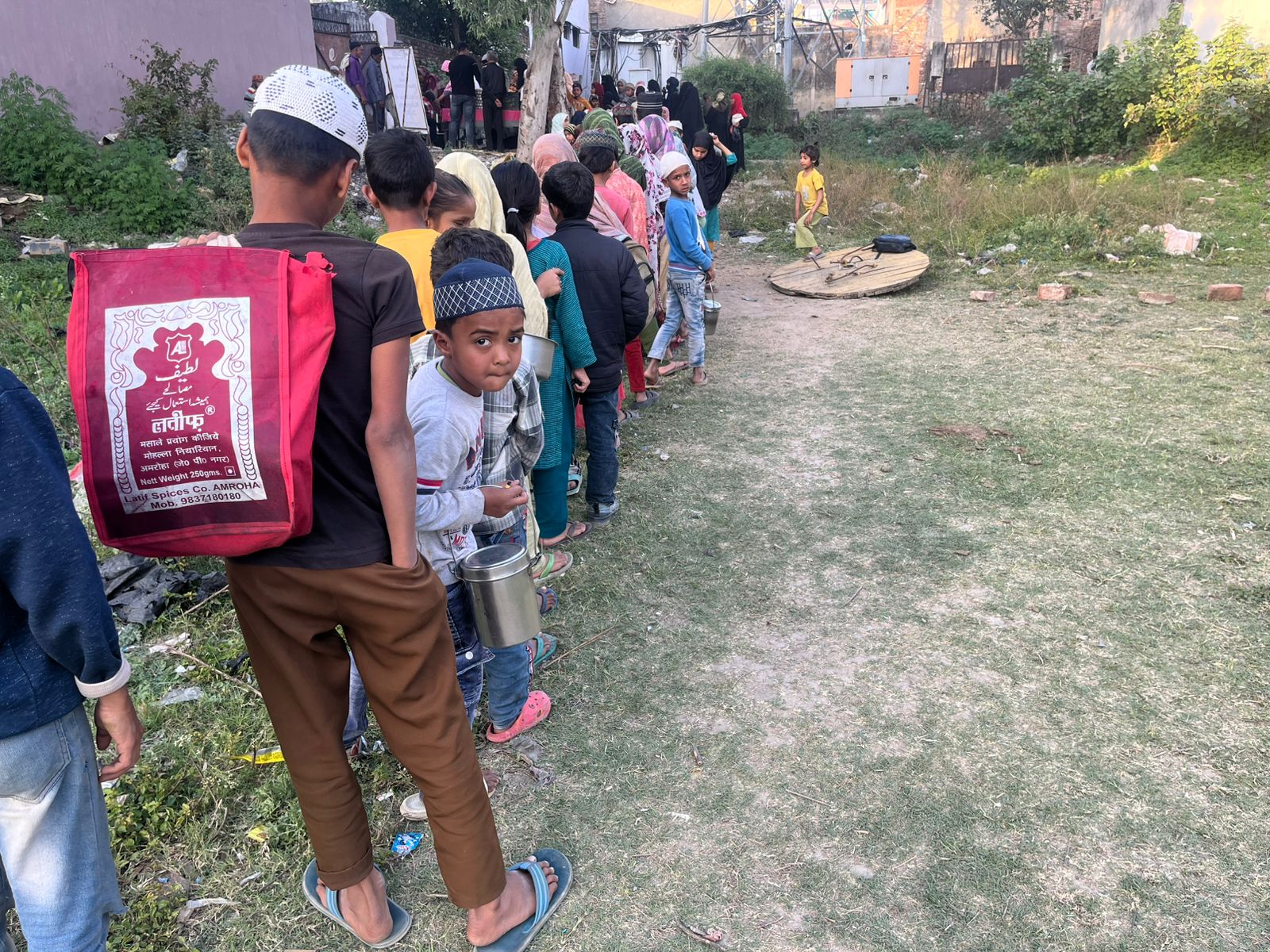
Daan Foundation, a charitable trust based in Amroha, Uttar Pradesh, accepts oath-Kaffara donations and channels them directly into our daily Community Kitchen.
When you donate for Kaffara-e-Qasam, simply mention that it is for a broken oath — not a broken fast — so our team can track and fulfil it correctly as ten meals, not sixty. Each Community Kitchen meal costs ₹59, so feeding ten people comes to approximately ₹590.
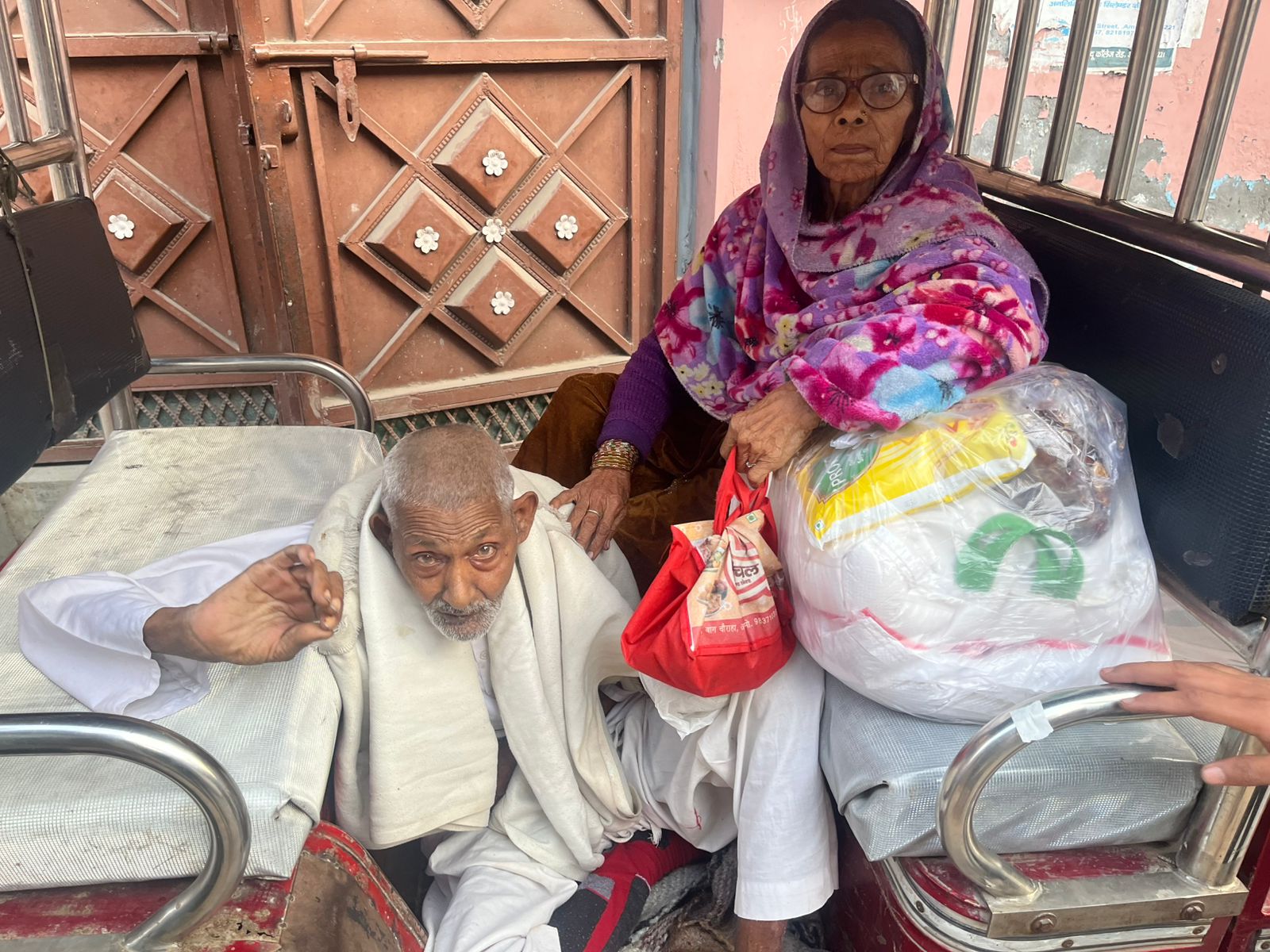
Your contribution goes toward freshly prepared, nutritious meals served to families and individuals who rely on our kitchen daily. Since 2020, Daan Foundation’s Community Kitchen has served over 500,000 meals — the same kitchen your oath-Kaffara donation supports.
Paying your Kaffara-e-Qasam online with us is a simple, four-step process:
- Decide the donation is for a broken oath, not a broken fast.
- Donate online and note it’s specifically for oath-Kaffara.
- Let us know if you’ve broken more than one oath, so we can calculate the total number of meals.
- Receive confirmation once your Kaffara has been fulfilled through our Community Kitchen.
You can complete this online in a few minutes, from anywhere in India — no need to personally track down ten people to feed.
Where We Work
Daan Foundation is physically based in Amroha, Uttar Pradesh, where our Community Kitchen operates daily, not only during Ramadan. Donors fulfilling Kaffara-e-Qasam can do so at any time of year, from anywhere.
We regularly hear from donors in Kerala, Bengaluru, and across Maharashtra who prefer to fulfil this obligation through an established Islamic charity NGO rather than arrange it themselves — largely because verifying that ten actual people were fed is far easier through an organisation already doing this daily than through personal effort alone. During Ramadan, we also run pilot Iftar stalls in select cities beyond Amroha — but our year-round meal program, including oath-Kaffara, runs from our Amroha base every day.
Wherever you’re writing to us from, our team can confirm your Kaffara has reached someone who needed it.
Frequently Asked Questions
What is Kaffara for breaking an oath (Qasam) in Islam?
It’s the expiation required when a person swears by Allah’s name and cannot keep that promise — fulfilled by feeding ten needy people, clothing them, or freeing a slave, with fasting three days as a fallback.
How many people do I need to feed for Kaffara-e-Qasam?
Ten people, each given a full meal. This is different from fasting-Kaffara, which requires feeding sixty people or fasting sixty consecutive days.
Kya main apna oath ka Kaffara online pay kar sakta hoon Daan Foundation ke through?
Haan, bilkul — aap online donate kar sakte hain aur humein bata sakte hain ki yeh oath ka Kaffara hai, taaki hum ise sahi tarah se track karke 10 logon tak pohcha sakein.
How do I pay Kaffara for breaking a promise online?
Donate through Daan Foundation’s website, noting that the donation is for oath-Kaffara. Our team directs it to feeding ten people through our Community Kitchen and can confirm once it’s fulfilled.
Is oath-Kaffara the same as Fidyah?
No. Fidyah applies to someone unable to fast during Ramadan due to illness or old age, while oath-Kaffara applies specifically to a broken promise sworn in Allah’s name — they are separate obligations with separate rules.
A Small Act, Fully Restored
Breaking an oath can sit heavily on someone’s conscience — but Islam offers a clear, achievable way to make it right. Feeding ten people through Kaffara-e-Qasam is a manageable, meaningful step that turns a personal lapse into real nourishment for someone in need.
Daan Foundation, based in Amroha and reaching donors across India through our Ramadan Iftar pilots, is here to help you fulfil this obligation correctly and transparently. Donate your oath-Kaffara online today, and let us confirm it reached the people it was meant for.